teaching
Education projects, including a growing collection of course materials
Teaching at CU Boulder
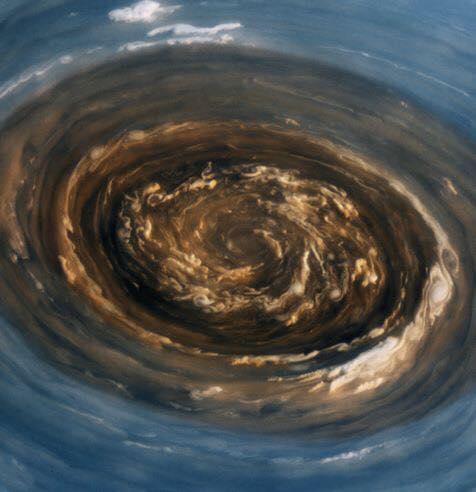
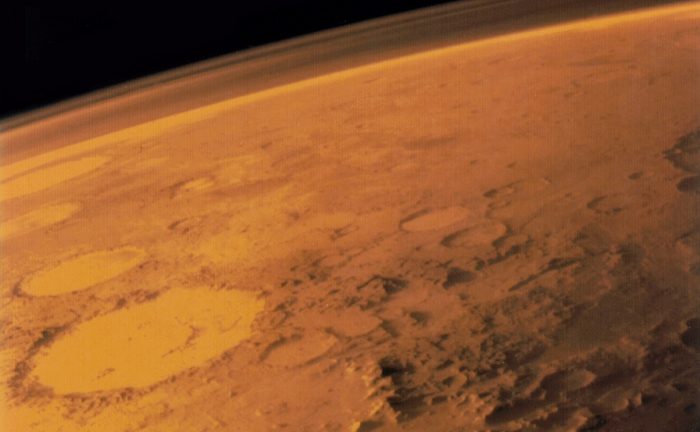
Planetary science is the ultimate interdisciplinary subject. Viewing a distant world through telescopes, sending spacecraft across the solar system, landing and roving, and finally collecting and returning samples: planetary science encompasses astronomy, geophysics, atmospheric science, geology, geochemistry, and eventually perhaps biology.
-
Spring semester, 2025: ASTR 5830: Remote Sensing of Planetary Surfaces and Atmospheres
-
Fall semester, 2024: ASTR 3750: Planets, Moons, and Rings
-
Fall semester, 2024: ASTR 5835: Seminar in Planetary Science - Ocean Worlds
-
Spring semester, 2024: ASTR 3400: Research Methods
-
Fall semester, 2023: ASTR/GEOL 5800: Planetary Surfaces and Interiors
-
Spring semester, 2023: ASTR 3400: Research Methods
-
Spring semester, 2023: ASTR 5835: Seminar in Planetary Science - Asteroids
-
Fall semester, 2022: ASTR 3750: Planets, Moons, and Rings
-
Fall semester, 2021: ASTR/GEOL 5800: Planetary Surfaces and Interiors
-
Fall semester, 2021: ASTR 3750: Planets, Moons, and Rings
-
Fall semester, 2020: ASTR 3750: Planets, Moons, and Rings
-
Fall semester, 2019: ASTR/GEOL 5800: Planetary Surfaces and Interiors
-
Fall semester, 2018: ASTR 1030: Accelerated Introductory Astronomy I
-
Spring semester, 2018: ASTR/ATOC 3720: Planets and their Atmospheres
- Lecture notes posted on
GitHub, rendered bynbviewer:
- Lecture notes posted on
Previous Teaching Experience
- California Institute of Technology: Ge 151: Planetary Surfaces (2011) - Co-Instructor & Lecturer
- University of California, Los Angeles: ESS 10: Exploring Mars (2008) - Teaching Assistant and Lecturer
- Stanford University: Geophysics 150: Physics of the Earth (2004, 2005) - Teaching Assistant
- Stanford University: Physics 50: Observational Astronomy (2002, 2003) - Teaching Assistant
Outreach activities
Science and exploration can be accessible to curious minds all over the world. Young people in under-resourced communities throughout the developing world deserve the same opportunities afforded to students at the best schools in America.
Ad Astra Academy
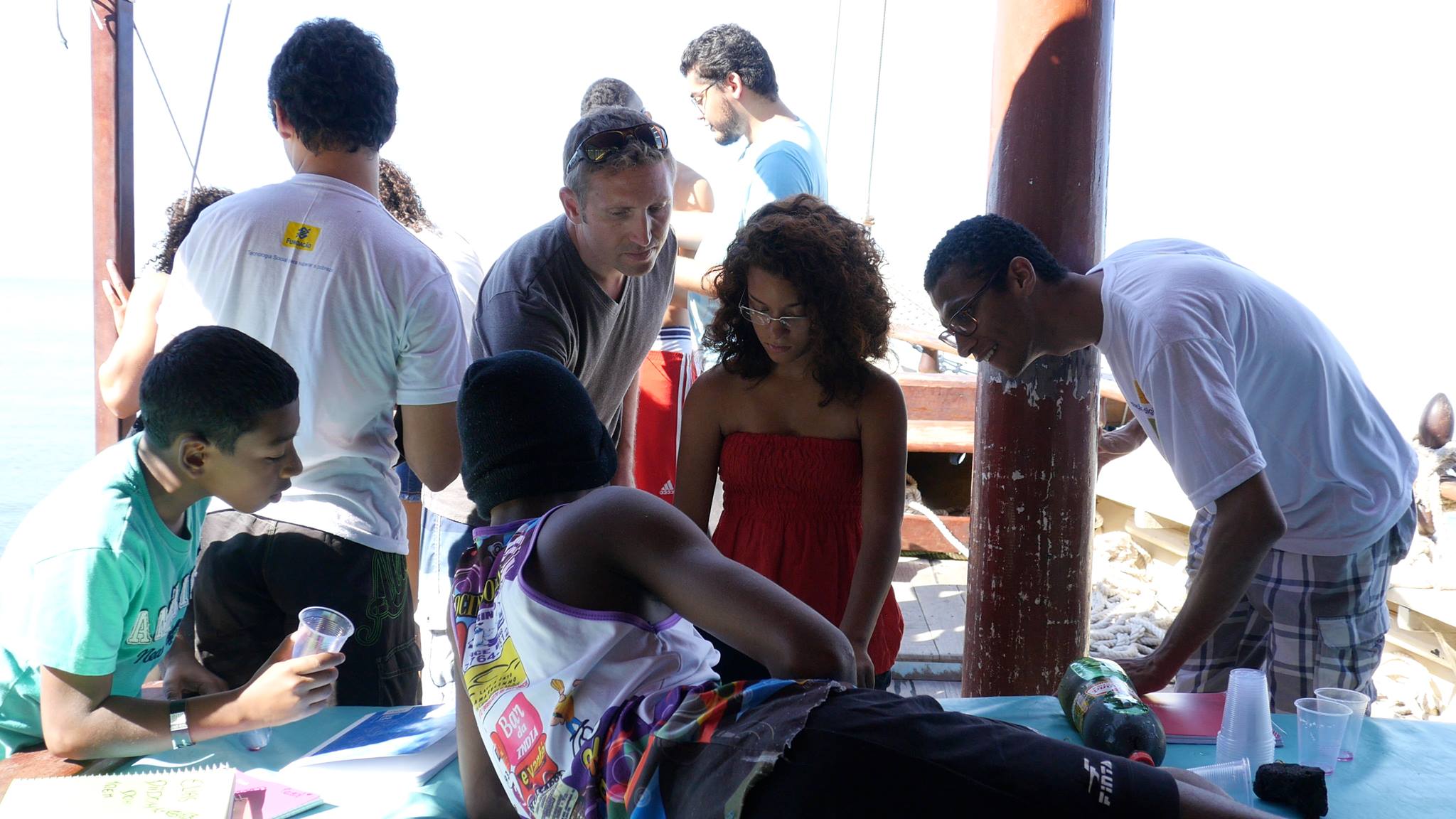
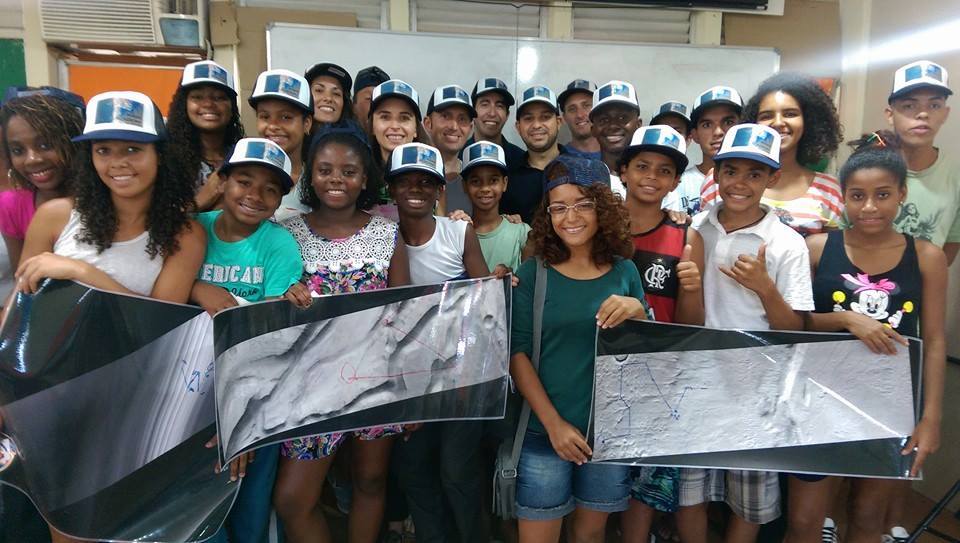
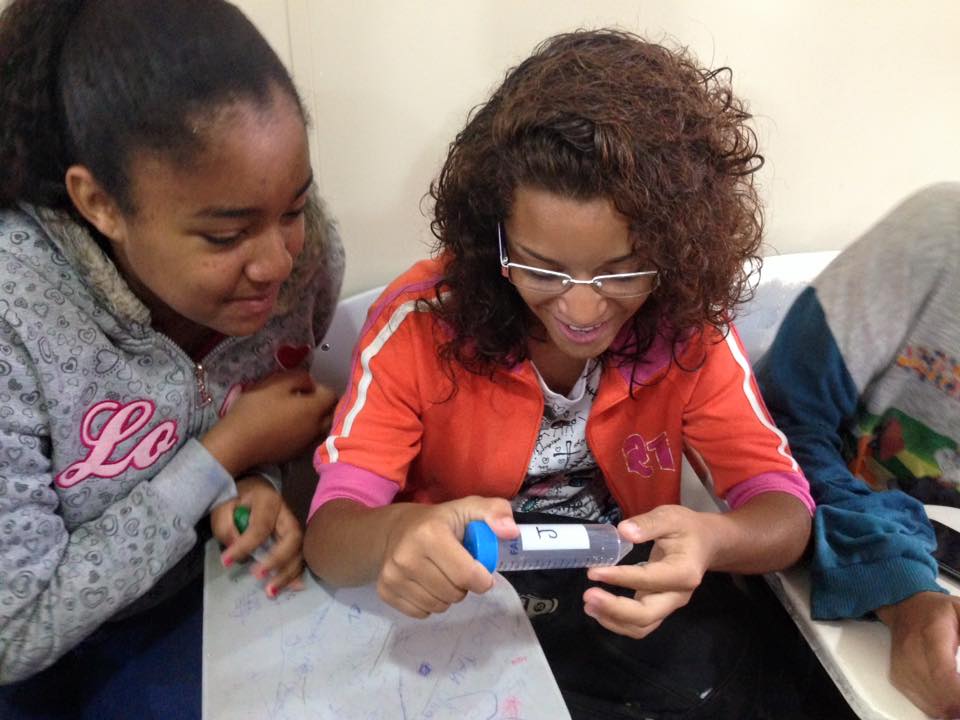
Through partnerships with educators and scientists in local communities, we are seeking to engage young students in the exploration of their world through the scientific method. Driven by their curiosity, these students develop hypotheses, seek data, and formulate their own conclusions. The capstone of previous programs has been acquiring images of Mars from using HiRISE camera onboard NASA’s Mars Reconnaissance Orbiter. More information can be found over at Ad Astra Academy.
NASA Artemis Astronaut Training
As part of NASA’s Artemis program, I contribute to the development of astronaut training materials on the lunar surface environment (2024-present).